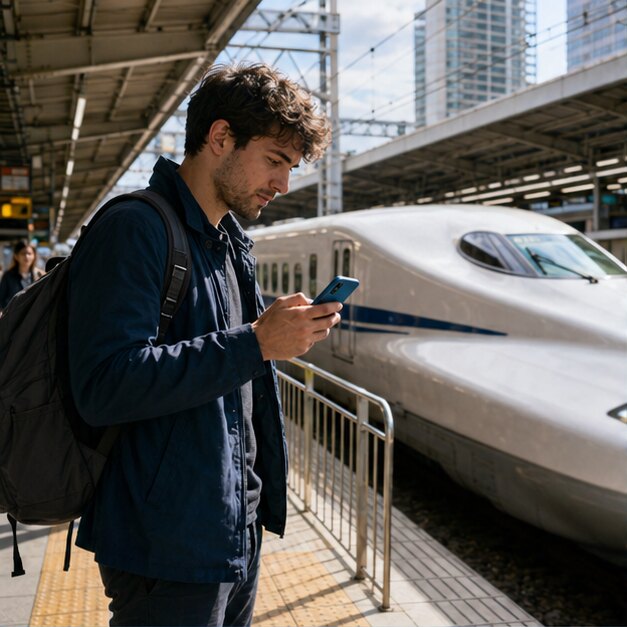
Good travel data should feel invisible: ready when you need directions, a booking code or a quick message. This guide helps you prepare the details before departure and use your connection with confidence on the road.
Why arrival data matters in Japan
Your first hour may involve an airport train, a station transfer and a hotel address written in a different format. Having data ready makes it easier to check platforms, walking routes and last-mile transport.
Install your eSIM before departure so activation is the only task left after landing.
Prepare your phone for busy travel days
Download offline Japanese language support, save accommodation names in Japanese, and screenshot any rail reservations. These backups help in underground passages where signal can vary.
- Pin hotel entrances, not just street addresses
- Save the last train time
- Download the next city before a rail journey
- Carry a power bank
Estimate data for a Japan itinerary
Maps, translation and messaging are light enough for a 5 GB short trip if you avoid video. Fifteen gigabytes gives more room for photo sharing and longer itineraries. Choose 30 GB if you will work or tether.
Stay connected beyond Tokyo
Regional and rural travel can produce brief gaps regardless of plan. Keep tickets and addresses offline, leave network selection automatic and allow the phone time to register after long tunnels or mountain routes.
Asia 15
A comfortable data allowance for a multi-city Japan itinerary and more.
Frequently asked questions
Can I use the eSIM on the Shinkansen?+
You can use cellular data where partner coverage is available, though tunnels and fast movement may cause brief interruptions.
Do I need a Japanese phone number?+
SIMVIA is data-only. Most travellers can use internet messaging and booking apps, but services requiring a local number may need another solution.
Coverage, speeds and app availability depend on destination, device, partner network, local conditions and regulation. Check current plan details and device compatibility before purchase.
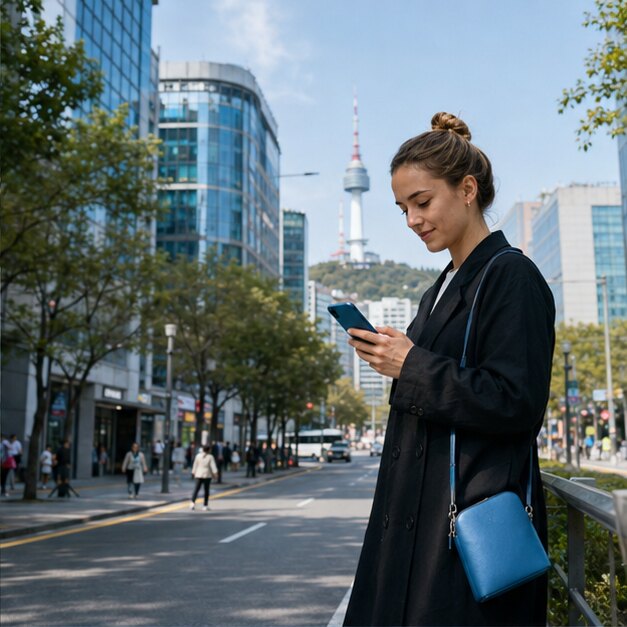 KR
KR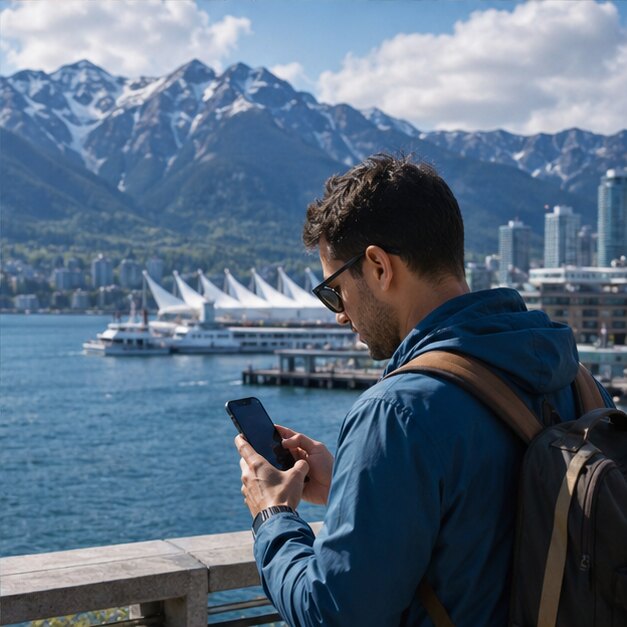 YVR
YVR